An online listing for a secondhand luxury watch can contain accurate photographs, a legitimate reference number and a convincing set of original documents without offering the buyer any certainty about what will arrive in the mail. The watch pictured may be entirely genuine, but the seller’s possession of those images does not establish possession of the watch itself.
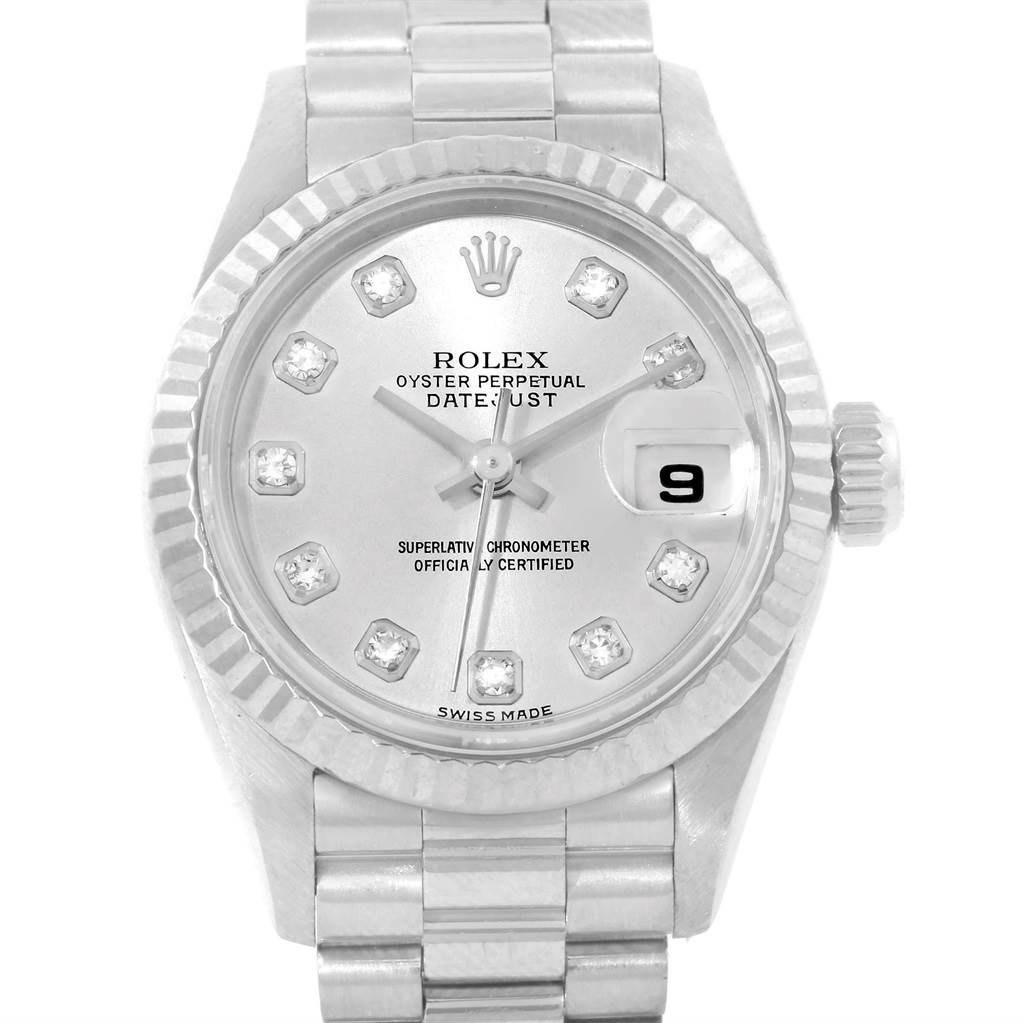
This is one of the more uncomfortable aspects of buying luxury watches online. Much of the public discussion surrounding fake watches focuses on increasingly sophisticated counterfeit movements, dial printing and case construction, while a separate vulnerability exists in the transaction itself. A buyer can correctly identify an authentic watch in a photograph and still become the victim of fraud.
The expansion of physical authentication services across major online marketplaces offers an interesting response to that problem. Instead of asking buyers to become experts in every generation of Rolex, Omega or Cartier, these services introduce an inspection between the seller and the recipient. Their different approaches reveal how much of a watch purchase depends on establishing the identity of the actual item being delivered.
Two Marketplaces, Different Protections
On eBay, watches covered by its Authenticity Guarantee generally travel to an authentication facility before reaching the buyer. The inspection includes both authentication of the physical watch and a comparison with the original listing.
That second responsibility is particularly valuable. A watch can be genuine and still be the wrong product, whether because its condition was misrepresented, an important accessory was omitted or a different reference was supplied.
Chrono24 approaches the transaction through separate layers of protection. Its escrow service delays payment to the seller, while its Certified program introduces professional authentication for eligible watches. Buyers should understand that participating in an escrow transaction does not automatically mean the watch has undergone independent physical inspection.
The following figures illustrate how the two marketplaces structure access to authentication and payment protection in the United States.
| Published program terms | eBay | Chrono24 |
|---|
| Standard authentication eligibility | Qualifying watches from $2,000 | Eligible watches from $4,000 |
| Optional authentication | $80 for qualifying watches priced $500-$1,999.99 | $249 for eligible Chrono24 Certified purchases |
| Physical examination | Authenticity and consistency with the listing | Authenticity, functionality, included accessories and theft database checks |
| Escrow inspection period after delivery | Not the same escrow model | 14 days for professional dealers; up to 7 days for private sellers |
Source: Published eBay and Chrono24 program terms, reviewed in November 2026. Eligibility restrictions, regional conditions and exceptions apply.
For someone purchasing a $6,000 watch, Chrono24’s optional $249 certification represents approximately 4.15% of the purchase price. Whether that expense is justified depends partly on the seller’s reputation and the quality of the existing documentation, but its underlying purpose is different from paying for insured shipping or transaction protection.
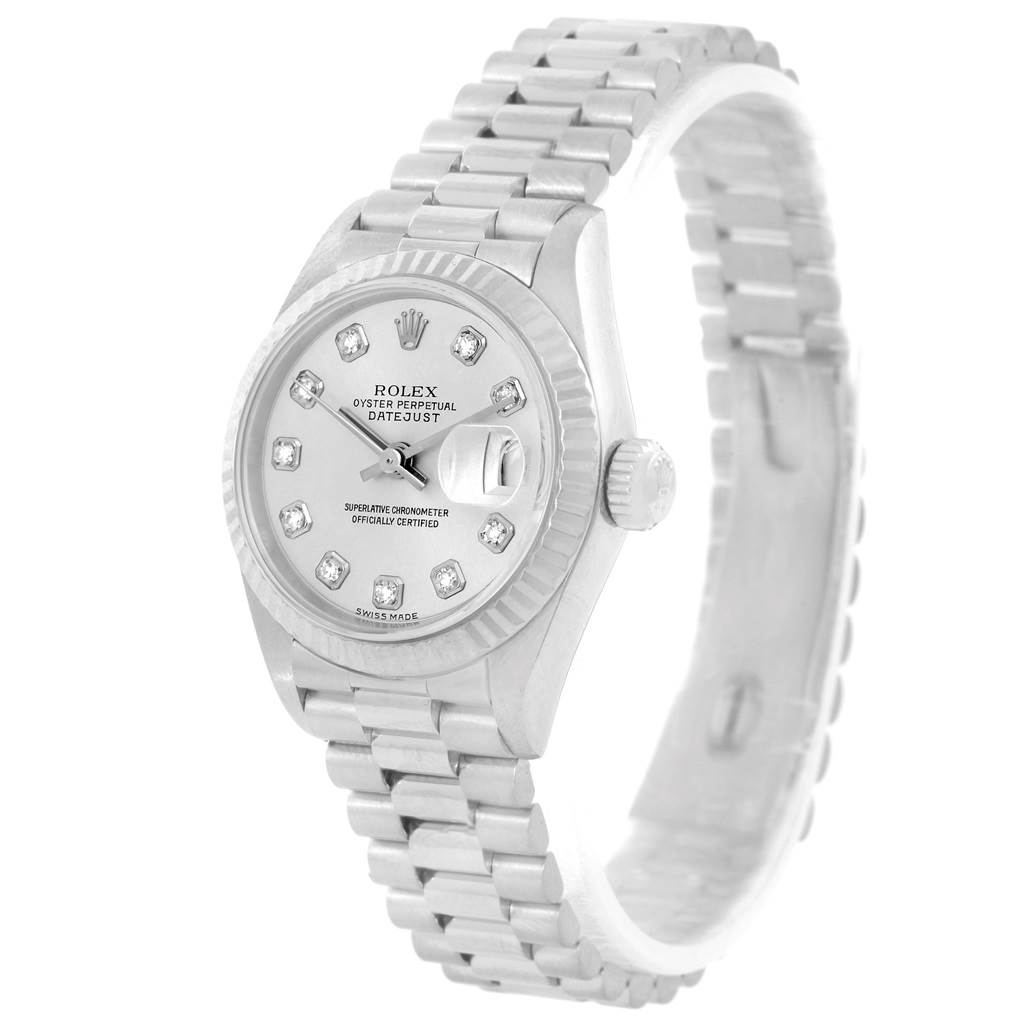
The certification examines the watch; escrow primarily controls the release of money.
There is another difference worth considering. Chrono24’s Partner Certified watches are examined by approved watchmakers working with participating dealers, whereas its separately purchased certification involves examination at a Chrono24 facility. Both operate under the company’s published authentication standards, although the organization performing the examination differs.
Buyers interested in an inspection that is organizationally separate from the seller should understand which arrangement their particular listing offers.
The Deadline Nobody Puts in the Product Description
A buyer who receives a suspicious watch faces two problems simultaneously: determining what was delivered and preserving the ability to dispute the transaction.
These processes do not always operate on the same schedule. Arranging an appointment with a qualified watchmaker may take several days, particularly when the watch contains a complicated movement or belongs to a vintage reference requiring specialist knowledge.
Under Chrono24’s published escrow conditions, the payment protection period can be considerably shorter when buying from a private individual rather than a professional dealer. Private purchases also do not carry the same statutory withdrawal rights described for professional-dealer transactions on the platform.
The practical consequence is that the time available to obtain an independent opinion may depend on the seller’s legal and commercial status, even when two listings offer similar watches at similar prices.
eBay presents a different concern. Certain authenticated watch purchases can become final sales under its published terms, and authentication does not provide a mechanical warranty. Its watch authentication service also excludes verification of timekeeping accuracy.
An authentic vintage chronograph can therefore pass authentication while still requiring an expensive service. Similarly, a genuine mechanical watch may have insufficient power reserve or an intermittent calendar problem that becomes apparent only after several days of use.
Anyone spending several thousand dollars on a secondhand watch has reason to investigate the return conditions before completing payment, rather than discovering their significance once the watch is already on the wrist.
The growth of marketplace authentication also changes the value of traditional evidence such as boxes, warranty cards and service records. These items remain useful, particularly for establishing ownership history and describing a collectible watch, but they are not substitutes for examining the object associated with them.
A legitimate service invoice may establish that a particular watch was serviced at a particular time. A copied image of that invoice does not establish that the seller currently possesses the watch, nor does it demonstrate that the watch being shipped is the one described in the document.
For buyers dealing directly with an unfamiliar seller, preserving the original listing, written descriptions, payment records and photographs of the received item can become essential if a dispute develops. Such documentation does not independently authenticate a watch, but it helps establish what was promised and what was delivered.
The same reasoning applies to screenshots of conversations in which a seller guarantees authenticity. Those statements may be valuable evidence of the agreement, even though they offer no technical proof about the movement or case.
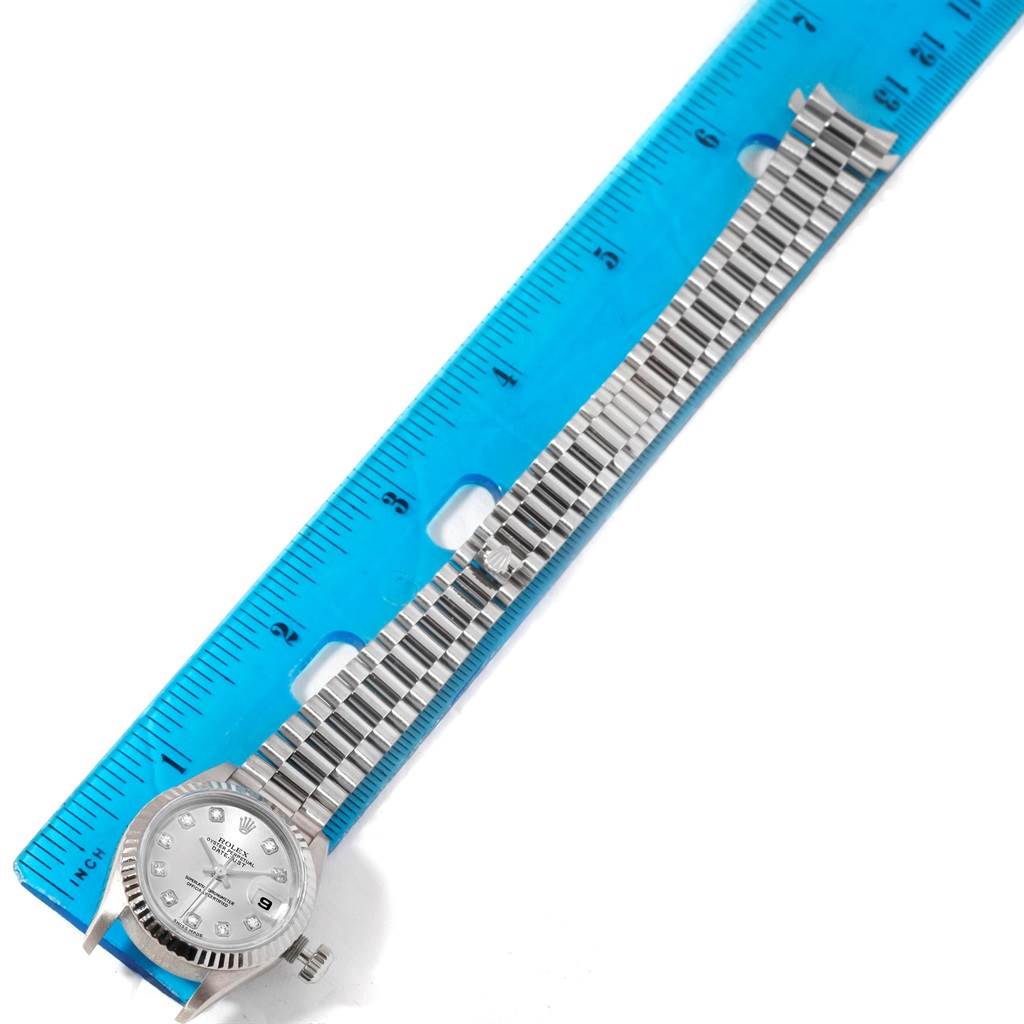
Counterfeit watches have made visual authentication increasingly demanding, but the risks associated with buying luxury watches remotely extend beyond the quality of the imitation. Some transactions fail because the buyer receives something different from the item that was advertised; others become costly because authenticity was established without adequately examining mechanical condition or return rights.
For the online watch market, the strongest protection comes from connecting the advertised watch, the inspected watch and the delivered watch within a documented transaction. An attractive listing has considerable commercial value, but a buyer should never have to rely on its photographs alone to establish that connection.