For most of its history, Rolex has lived in a kind of tension — innovation on one side, discipline on the other. From its early breakthroughs in waterproof cases and automatic winding systems to its modern identity, the brand never really chased noise. It refined. Slowly. Almost stubbornly.
If you look at its legacy through resources like the official overview of the, that consistency stands out immediately. After founder Hans Wilsdorf passed away in 1960, things didn’t suddenly shift. If anything, Rolex doubled down on caution. And honestly, that’s where its reputation as the ultimate tool-watch maker really hardened.
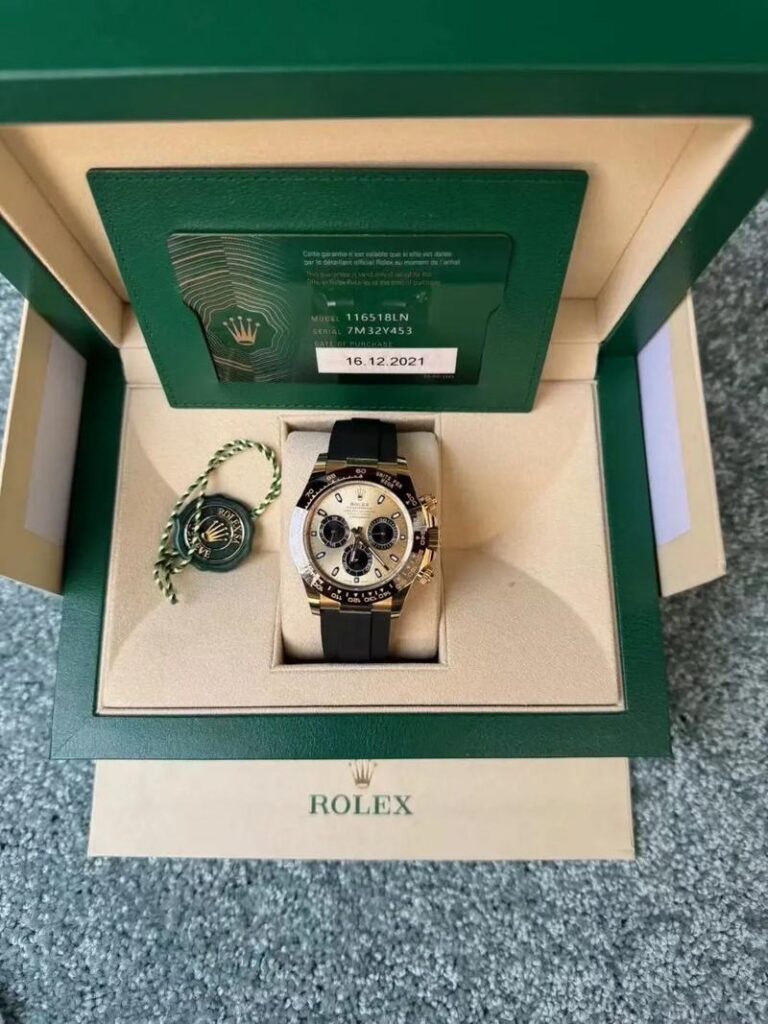
But then something slightly unexpected happened in recent years. Not a revolution. Nothing that dramatic. Still… you could feel a bit of tension in the releases.
We saw Day-Date models with pastel tones and unusual motifs instead of strict calendar aesthetics. The Oyster Perpetual line went bright — almost playful. A left-handed GMT-Master II appeared. Even titanium made its way into the Yacht-Master. None of this is scandalous, but for Rolex? It raised eyebrows.
Watch media like and pointed out the same thing: Rolex wasn’t breaking its identity, but it was definitely stretching it.
And you could almost sense collectors reacting in real time. Some loved it. Others… weren’t so sure.
Then things cooled off.
The newer direction feels noticeably more familiar. More grounded. It’s like Rolex took a step back and said, “Alright, let’s not overthink this.”
The latest steel GMT-Master II is a good example. Black and grey Cerachrom bezel. A subtle touch of green. That’s it. No drama. No forced nostalgia either.
It’s not trying to reinvent itself. And weirdly, that’s exactly why it works.
A small but meaningful detail is flexibility in bracelet options — Jubilee or Oyster depending on configuration. It sounds minor, almost boring on paper. But enthusiasts notice these things. They always do. And it quietly brings back a sense of choice that older Rolex buyers remember.
There’s also something interesting happening with the Day-Date line. Instead of pushing radical ideas, Rolex is leaning into texture, material, and subtle tone shifts.
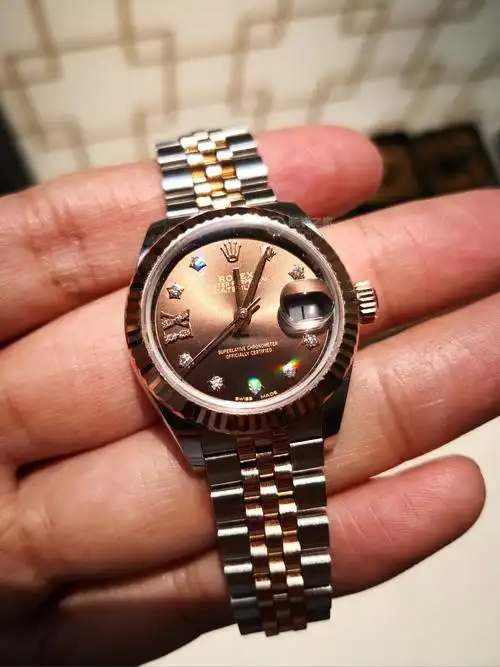
Here’s a quick breakdown:
| Model | Update | Tone |
|---|
| Day-Date 40 Everose | Ombré dial introduction | Warm, slightly modern |
| Day-Date 36 | Mother-of-pearl with diamonds | Classic, restrained |
| Oyster Perpetual | Color experimentation phase (earlier wave) | Playful but controlled |
It’s not loud design. It’s more like Rolex testing how far “elegance” can stretch before it stops being Rolex.
And then there are the professional models. Honestly, this is where the brand feels most like itself.
The Submariner hasn’t changed in any dramatic way — and it doesn’t need to. That stability is kind of the point. It’s still the reference point for dive watches globally.
The Deepsea, however, gets something more technical: a ceramic compression ring inside the Ringlock system. You won’t see it on the wrist. You won’t flex about it at dinner either. But from an engineering standpoint, it matters.
This is the kind of upgrade Rolex does best. Invisible, almost annoyingly quiet, but deeply functional.
And maybe that’s the thing that keeps coming back when you study Rolex seriously: it doesn’t feel like it’s trying to impress you.
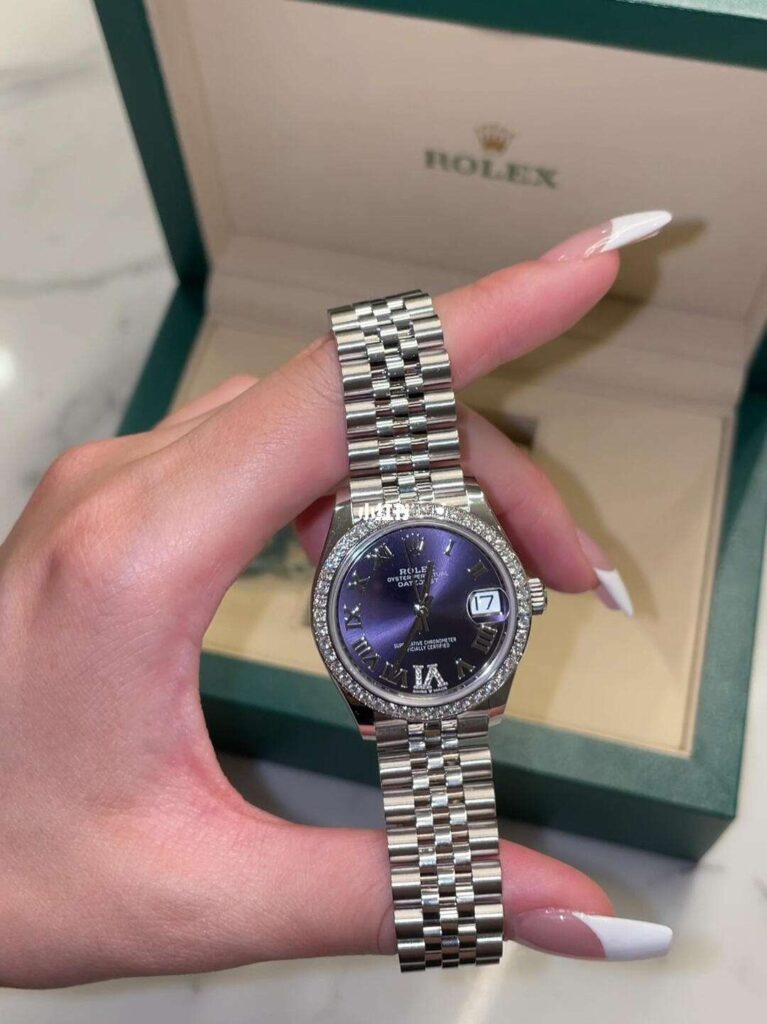
Even the replica watches reflect that mindset. The platinum 1908 with its ice-blue guilloché dial leans heavily into traditional haute horlogerie, but without the theatrics you might expect from other luxury brands. The Daytona with mother-of-pearl and diamond accents adds visual softness, but still holds back from anything too expressive.
You almost want to ask: is Rolex being cautious… or just confident enough not to try harder?
And that question doesn’t really have a clean answer.
What feels clear is this: Rolex has returned to restraint. Not because experimentation failed, but because restraint is what people associate with it in the first place.
There’s a kind of irony here. The quieter Rolex becomes, the louder its reputation seems to get.
And maybe that’s the point.