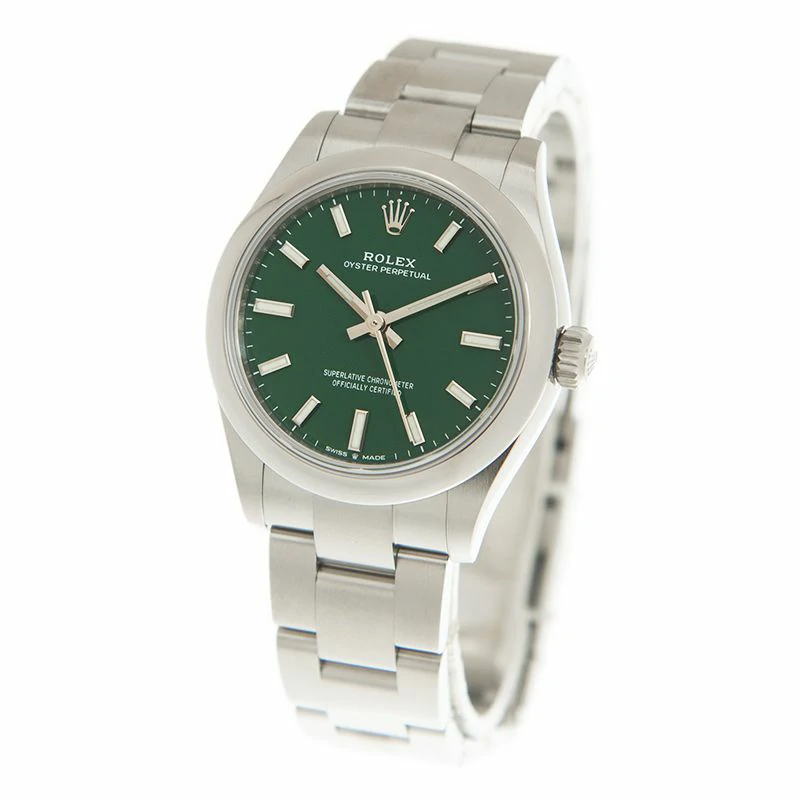
The worlds of horology and 3D printing share a natural kinship, attracting enthusiasts fascinated by intricate mechanics and tangible creation. While functional, wearable 3D printed watches remain on the horizon, the technology continually sparks inventive horological projects. A striking example emerges from hobbyist Franc Falco, who meticulously designed and fabricated a functioning desk clock: a staggering 300% scale homage to his personal Rolex Submariner.
Driven by the challenge of replicating his cherished dive watch through 3D printing, Falco embarked on this ambitious endeavor. He generously shares the complete plans on Thingiverse.com, a hub for printable projects. These files include schematics for every component (excluding the inexpensive quartz clock movement) and detailed assembly instructions. Notably, the public version omits replica Rolex trademarks for legal reasons, though Falco’s original aimed for precise visual replication, albeit at monumental proportions.
The project stands as a testament to patient craftsmanship. Falco estimates the total cost, dominated by printing filament, stayed under $100. The true investment lay in countless hours: designing intricate parts, printing, sanding for finish, and tackling the complex assembly. Remarkably, even functional details like the ratcheting unidirectional bezel operate smoothly. The articulated bracelet and deployant clasp complete the illusion, though this “desk diver” naturally lacks water resistance and a functional crown, relying instead on a small, affordable quartz movement.
Falco highlights the dial as the pinnacle of difficulty, both in design and execution. Rejecting simpler solutions like printed decals, he devised an ingenious technique. He printed the dial at high resolution with debossed lettering, then painstakingly flooded the recessed characters with white pigment. After drying, he carefully sanded the entire surface smooth, revealing crisp, luminous markers against the background – a solution yielding impressive, refined results.
Every visible element of the final clock, save the quartz mechanism and the clear Perspex crystal (a current limitation of desktop 3D printing), emerged from Falco’s Ultimaker 2 printer. The total material cost hovered around £50, supplemented by basic adhesives and an immense allocation of personal time. For Falco, the value transcended expense; the project served as a profound exploration of his 3D modeling skills and printer capabilities, culminating in a unique object of personal satisfaction. While the purpose of a massive, non-wearable Rolex watch might puzzle some, its impact as a distinctive, conversation-starting centerpiece in any watch lover’s space is undeniable – a true labor of horological love rendered in plastic and ingenuity.